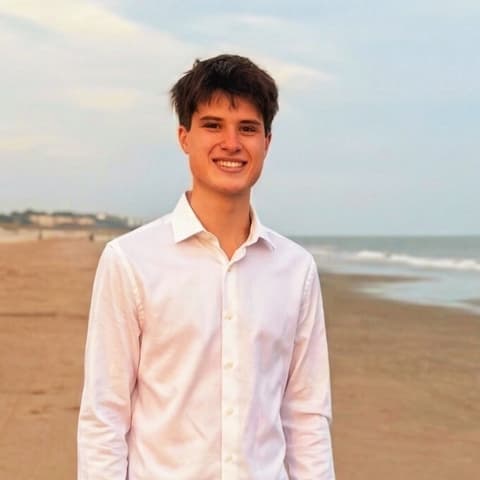
I've been obsessed with audiences since I was 16.
In high school I started an Instagram brand and immediately got hooked on the growth game. I wrote new ad copy every single day, studied what the big accounts were doing, paid for shoutouts, ran experiments constantly. At my peak I was gaining over 2,000 new followers a day. I turned that into an e-commerce business that shipped over 10,000 orders and racked up more than 40 million organic views. I was 17 running a warehouse operation out of my parents' house with a team of four.
The whole time, the hardest problem was never the product. It was understanding who was actually buying and why. Existing tools could tell me where my audience spent time online, what accounts they followed, what podcasts they listened to. But none of them could tell me who these people were psychologically or why they made the decisions they made. What were their values? How did they evaluate purchases? Were they impulse buyers or researchers? Did they trust ads or hate them?
That's the stuff that actually determines how you position a product, how you price it, and what messaging makes someone click versus scroll past. Getting answers to those questions meant commissioning a $50K+ research study. That wasn't an option for me, and it's not an option for 99% of marketers.
I went to college as an econ major with plans to start another business after graduation. But when the AI wave hit, something shifted. My business ideas list (a page in my Notes app that's over 1,000 lines at this point) started filling up with software products I couldn't build. That frustrated me enough to switch my major to computer science with zero coding experience a year and a half in.
Two and a half years later I've built full-stack platforms, trained ML models, and won high-stakes programming competitions. Now I'm building the tool I wished I had at 17.
The research that used to take months and seven figures, available to anyone.